
You do not need to live beside a river to have water enter your home. Heavy rain can overwhelm drainage, collect beside a foundation or reach a low doorway before you notice a problem. Knowing how water might reach your building helps you prepare without assuming that a flood map tells the whole story. The National Flood Insurance Program explains that flooding can occur beyond the places people commonly expect.
Walk around your property during dry weather and look at the routes water would take. Check whether downspouts discharge toward the building, drains are blocked or a low spot collects runoff beside an entrance. Photograph concerns so you can discuss them with an appropriate contractor. A maintenance review is useful preparation, but it does not guarantee that a building will stay dry during a severe event.
Look at the building, not just the neighborhood
Basement windows, garage thresholds and ground-level doors may offer different entry routes. A finished lower level can also hide water damage behind wall finishes or under flooring. Think about where important belongings are stored and whether building occupants know how to report a leak. In managed properties, make sure the property manager has current access information and a clear way to reach occupants.
Ask a qualified professional about drainage or building-envelope concerns that you cannot assess yourself. Do not cover over a recurring damp patch without understanding its cause. A sump pump or backwater device also needs attention appropriate to its design and local requirements. The aim is to identify weaknesses early, rather than make emergency decisions while water is entering.
Make a plan for the hours after water enters
Follow weather alerts and instructions from local officials. Do not walk or drive through floodwater, and keep away from standing water near electrical equipment. The National Weather Service flood safety guidance is a useful reference to review before a storm. If evacuation is ordered, safety takes priority over inspecting damage or protecting belongings.
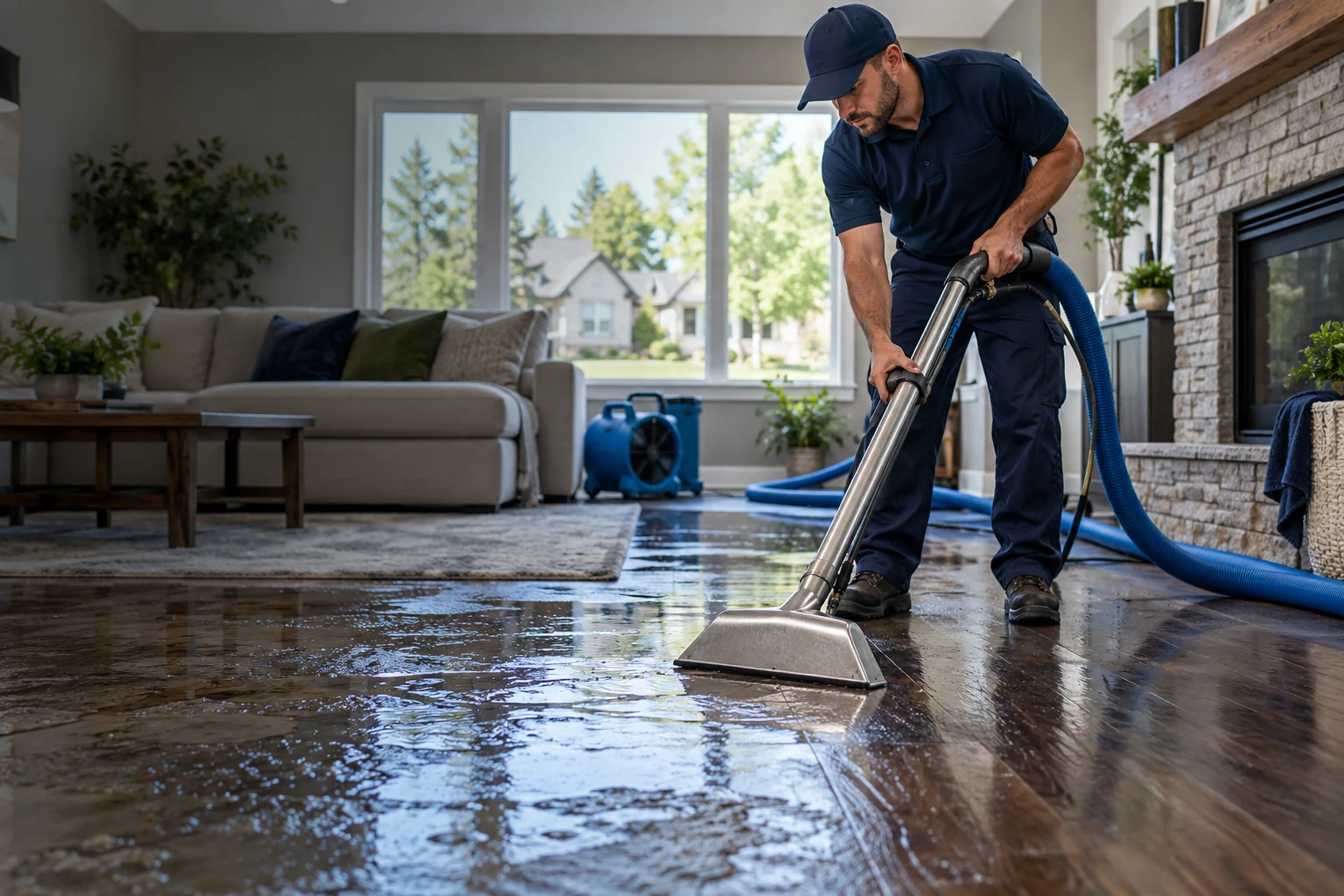
When you can safely make a call, describe the source, affected rooms and whether water is still entering. Water extraction may remove standing water, but cleaning and drying can still be needed afterward. Water Mitigation Pros can help you discuss the conditions and arrange the next step at (877) 958-8890. Review your flood insurance options before an event, rather than assuming ordinary homeowners coverage applies.
Questions about flooding risks around your home: what to check before heavy rain
Does a lower-risk flood zone mean no risk?
No. A map is one part of understanding flood exposure. Review the property itself and discuss coverage with your insurance agent.
Should I inspect the basement while it is flooding?
Do not enter standing water or an area with possible electrical or structural hazards. Report what you know from a safe location. Follow emergency instructions before arranging cleanup.