Water Mitigation Pros

What to Do After a Pipe Bursts in Your Home

Know what to report after a burst pipe, how to avoid unsafe areas and why water removal should be followed by an assessment of hidden moisture.

Call (877) 958-8890
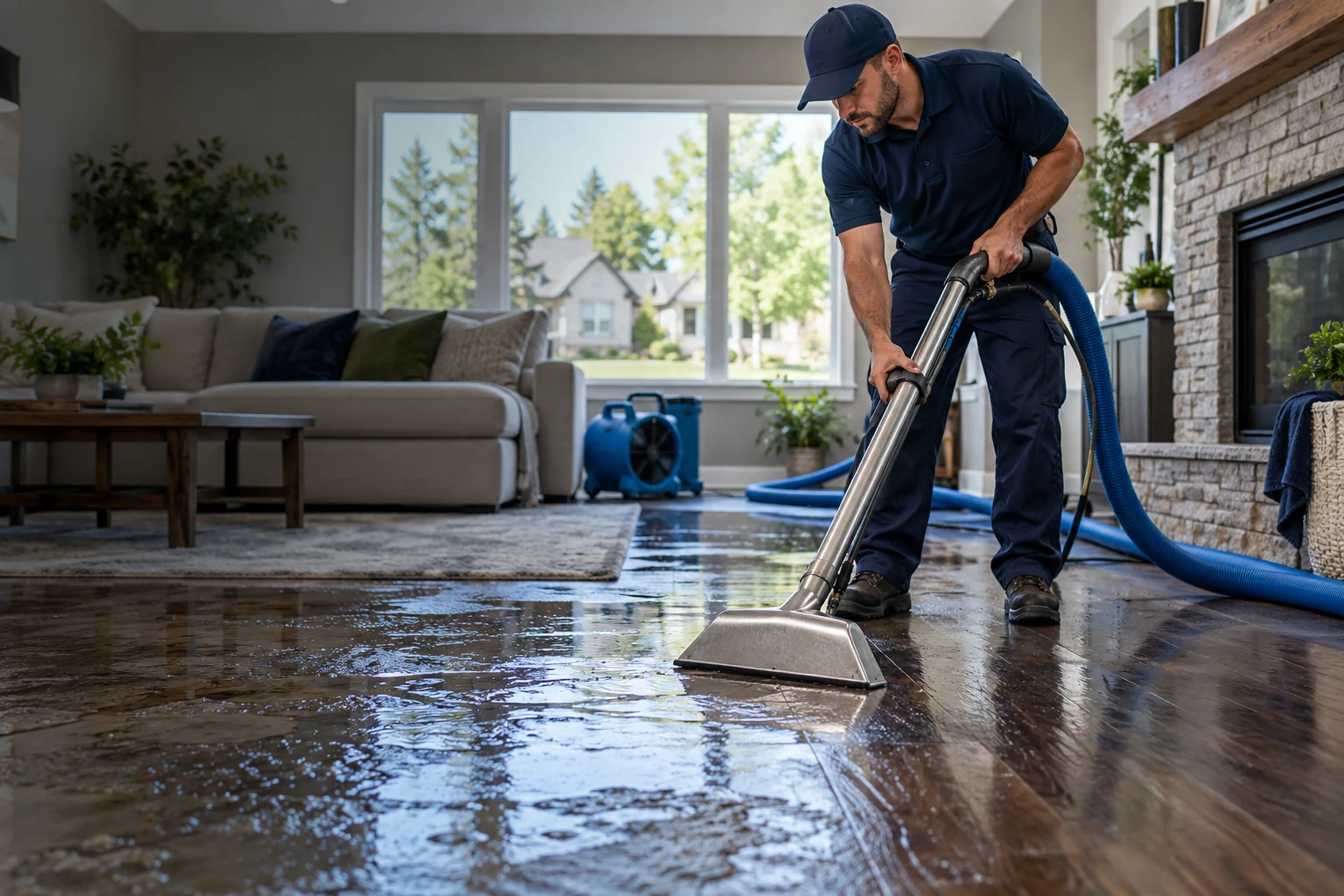
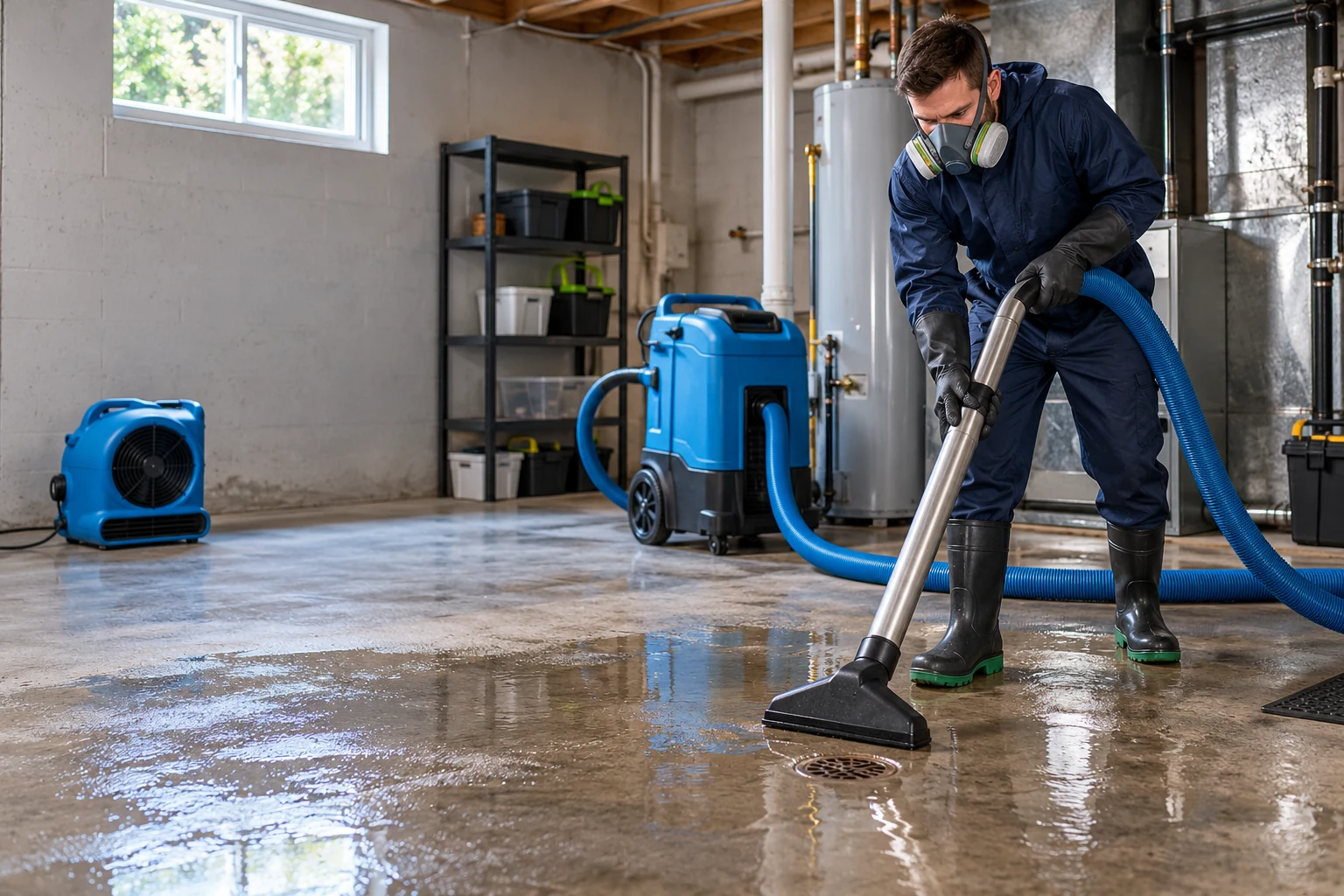
Water extraction equipment used in a water-damaged living room

A burst pipe can change a normal day into an urgent cleanup problem. Your first priority is to keep people away from unsafe conditions, particularly water near electrical equipment or unstable finishes. If you can safely reach a known water shutoff from a dry location, stopping the supply may limit further water entry. If you cannot do so safely, contact the appropriate emergency or plumbing professional instead of entering the affected space.

Once you are in a safe location, note where the leak appears to be and which rooms are wet. Tell a plumber whether the water is still running and explain any access concerns. Contact the restoration team to discuss the damage inside the building. Source repair and interior cleanup are related tasks, but one does not automatically complete the other.

Record what you know without disturbing the damage

Photographs taken from a safe position can help show the affected rooms and belongings. Record when you discovered the leak and any action taken to stop it. Contact your insurer for its reporting and documentation instructions if you intend to make a claim. Avoid guessing about hidden damage or promising that a particular material can be saved before it has been assessed.

Tell the cleanup team about water upstairs, wet ceilings, cabinets or rooms beside the visible leak. Water may have traveled beyond the original wet spot. A ceiling that is sagging or shedding material needs caution rather than close inspection by an occupant. Share those observations from outside the unsafe area and follow professional instructions about access.

Remove water and assess the materials left behind

Water extraction can remove accessible standing water, but damp materials may still require drying or removal. Ask the restoration team to explain what it has found and which areas need further assessment. The plan should account for flooring, wall assemblies and contents affected by the leak. Moisture checks and structural drying help guide the work before repairs cover those areas.

Call Water Mitigation Pros at (877) 958-8890 to discuss the cleanup and the property’s access needs. Homeowners can ask about using unaffected rooms, while property managers can plan around tenants and shared areas. Our insurance claims guide explains the difference between documentation of the work and an insurer’s coverage decision. Keep the focus on a safe, complete assessment instead of assuming that stopping the leak has finished the restoration.

Questions about what to do after a pipe bursts in your home

Is a small pipe leak always a small cleanup?

Not necessarily. Water can travel into concealed areas before it is discovered. Tell the team about adjoining rooms and any signs of moisture beyond the source.

Can I begin replacing the flooring right away?

Ask how the affected materials were assessed and whether drying is complete. New finishes can cover unresolved moisture. The restoration and repair scopes should be coordinated.
See how our water mitigation service connects removal, cleaning and drying.

Water Mitigation Pros

Sewer Backup Cleanup: When a Plumber Is Also Needed

Understand the difference between clearing a blocked sewer line and cleaning the damage inside your property after a backup.

Call (877) 958-8890
Technician equipped for sewage cleanup

A sewer backup creates two connected problems: wastewater is entering a building, and contaminated material may already be inside it. Clearing a blocked line and cleaning an affected room are different kinds of work. A property can need both before it can move toward normal use. Knowing that distinction helps you ask for the right help when you call.

Tell the cleanup team whether wastewater is still entering and where it appears to be coming from. You do not need to enter the affected room or test plumbing fixtures to provide more detail. Keep people and pets away from the sewage and avoid moving contaminated belongings through clean areas. If electrical equipment may be affected, stay out of standing water.

Address the source before another backup undoes the work

A plumber may need to clear a blocked line, assess a pipe problem or explain a recurring drainage issue. The appropriate specialist depends on where the failure originated. Building owners and property managers should also consider whether shared plumbing or a public sewer issue may be involved. Explain any information already provided by a plumber or local utility when arranging cleanup.

Interior sewage cleanup addresses wastewater and the damage it leaves in the property. That can involve extraction, assessment of contaminated materials, cleaning and controlled drying. Correcting the source does not automatically make those affected materials clean or dry. Likewise, removing wastewater does not repair a blocked or damaged line.

Plan for affected rooms, contents and occupants

In a house, the work may affect a basement, bathroom or laundry area. In an apartment or commercial building, property managers also need to consider occupied units, shared entrances and common facilities. Discuss access and which areas must stay closed before equipment and materials move through the building. The cleanup plan should explain how unaffected spaces will be protected.

Water Mitigation Pros does not provide septic tank pump-out service; that work belongs with a septic service provider. We can discuss cleanup of building areas affected by a sewage incident and how drying fits after removal and cleaning. Call (877) 958-8890 to explain the situation. Ask for a clear scope from each professional so plumbing work and interior restoration do not leave a gap between them.

Questions about sewer backup cleanup: when a plumber is also needed

Does clearing the line finish the cleanup?

No. The rooms and materials reached by sewage still need assessment. Ask about contamination, moisture and any removal or cleaning required.

Do you empty septic tanks?

No. Contact a septic service provider for pump-out work. Tell us about any sewage damage inside the building when discussing cleanup.

See how our water mitigation service connects removal, cleaning and drying.

Water Mitigation Pros

Why Moisture Checks Matter Before Water Damage Repairs

A wall can feel dry and still hold moisture. Learn what to ask about drying records before replacing flooring, cabinets or wall finishes.

Call (877) 958-8890
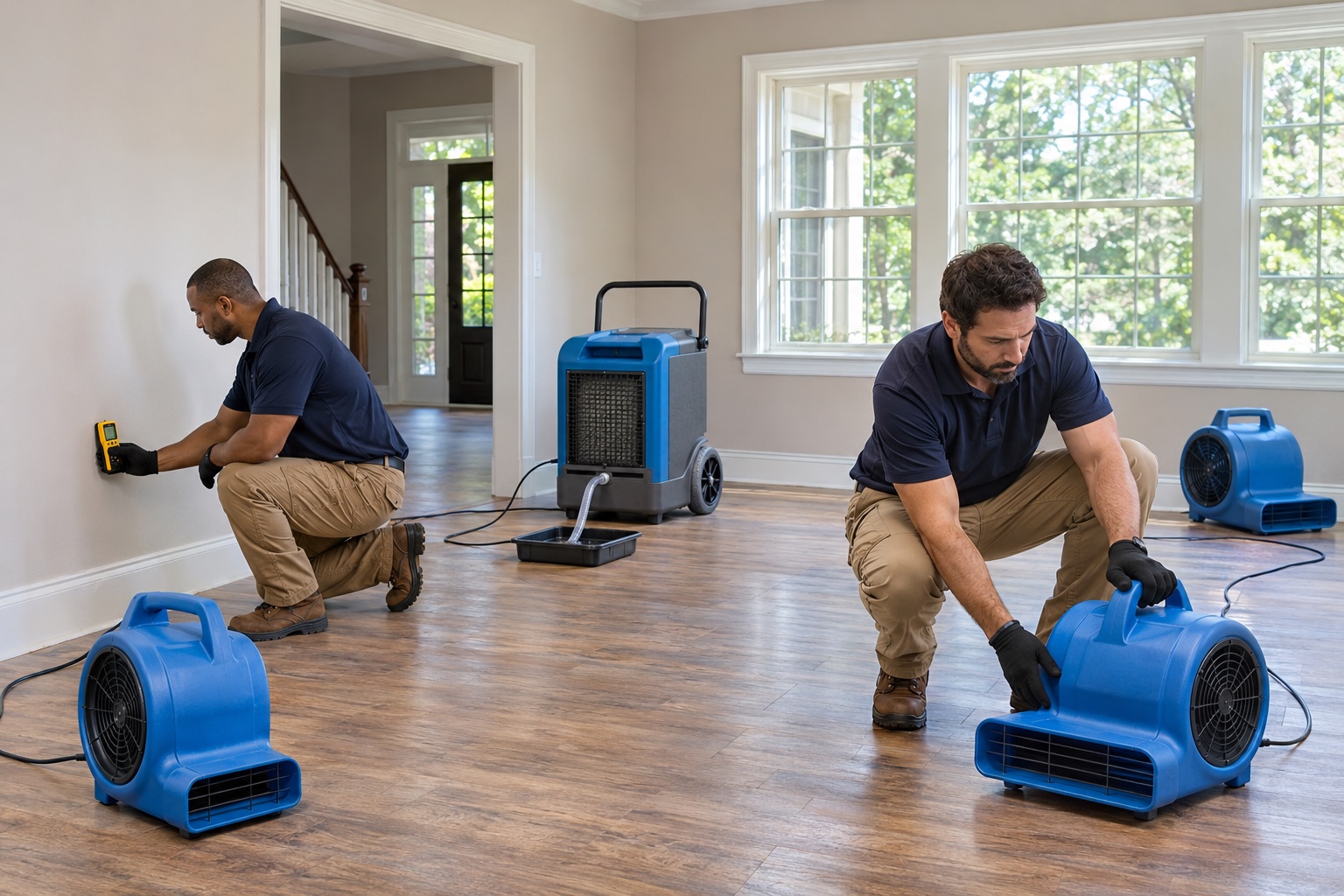
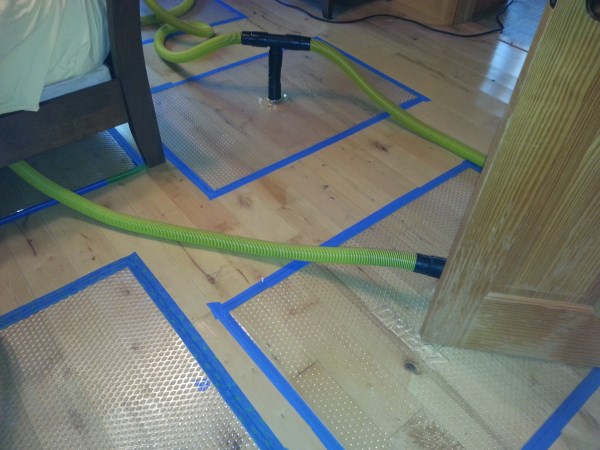
Equipment used for structural drying

After cleanup, new paint or flooring can make a room look finished quickly. That improvement is only useful if the moisture behind the damage has been addressed. A surface can feel dry while deeper materials remain damp. Before repairs cover those areas, ask how the affected structure was assessed.

Moisture checks help the restoration team understand where water traveled and how the remaining materials are changing during drying. The method should match the material and the part of the building being evaluated. A reading is information to interpret in context, not a stand-alone promise about an entire room. Ask for an explanation that connects the observations to the proposed next step.

Look beyond the original wet spot

Water can spread under flooring, behind trim and into adjoining spaces. The visible stain may therefore be smaller than the area that needs assessment. Tell the team about a leak upstairs, wet cabinets or an odor in a neighboring room, even if those details seem separate. Those observations can help identify where additional checks are appropriate.

Access also affects what can be assessed. A layered floor or enclosed wall may require a different approach from an exposed surface. Ask whether any inaccessible areas remain uncertain and how that uncertainty will be handled. Covering an area should not be used as a substitute for explaining its condition.

Use the records to understand readiness for repairs

During structural drying, ask what is being monitored and how the team decides whether the plan is working. If equipment is moved or the scope changes, request a plain-language explanation. You should understand which areas are resolved and which still need attention. This is especially useful when a different contractor will perform the rebuilding.

Keep the drying information with your cleanup estimate, photographs and insurance records. Your adjuster may ask questions about the work, and the repair contractor needs to understand what has already been completed. Call Water Mitigation Pros at (877) 958-8890 for help discussing water damage restoration. Our guide to drying timelines explains why progress should be judged by conditions rather than a universal number of days.

Questions about why moisture checks matter before water damage repairs

Can touch alone confirm that a wall is dry?

No. Surface feel does not establish the condition of all materials in an assembly. Ask what checks support the decision to begin repairs.

Who should receive the drying records?

Keep a copy for your own project file. Discuss sharing relevant records with your insurer and repair contractor. Ask the restoration team to explain any measurements you do not understand.

See how our water mitigation service connects removal, cleaning and drying.

Water Mitigation Pros

Water Extraction vs. Water Mitigation: What Is the Difference?

Understand why removing standing water is only part of mitigation, and how cleaning and drying help prepare your property for repairs.

Call (877) 958-8890
Water extraction equipment used in a water-damaged living room

Terms such as extraction, mitigation and restoration often appear together after a leak. That can make it difficult to understand what a contractor is actually proposing. Extraction means removing bulk water from the affected space. Mitigation is the broader work aimed at limiting further damage and addressing the conditions left behind.

A room can therefore need mitigation even after the standing water is gone. Damp materials, contamination and water in adjoining spaces may still need assessment. The scope should explain which of those conditions are present at your property. A clear estimate connects the services to the damage, rather than listing terms without telling you what they mean.

Extraction removes water you can see and reach

Pumps and extraction tools can remove water from accessible floors and other affected areas. The equipment and approach depend on depth, access, flooring and the source. Professional extraction can be an important early step, but it does not by itself confirm that a subfloor or wall assembly is dry. Ask what remains to be checked after bulk removal is complete.

Water that involves sewage or another contamination concern changes the cleanup plan. Materials may need handling or removal that would not be appropriate for an ordinary clean-water spill. Tell the team where the water came from and whether it is still entering. A plumber or another specialist may need to correct the source alongside the interior work.

Mitigation connects protection, cleanup and drying

Mitigation may include protecting unaffected rooms, assessing damaged materials, cleaning and setting up controlled drying. Not every loss needs every service, and the reasons should be explained. Drying equipment and moisture checks address materials that remain after extraction or removal. Decisions about rebuilding should consider those materials rather than only the appearance of the room.

Restoration is the larger effort to return the property toward normal use, including the repairs that follow the cleanup. Ask where the proposed scope ends and which later work will need a separate discussion. Water Mitigation Pros can help you understand that sequence at (877) 958-8890. Explore our water damage restoration page for the connection between initial cleanup, drying and the next stage of repairs.

Questions about water extraction vs. water mitigation: what is the difference?

Can I ask for extraction only?

You can ask what removal work is needed, but unresolved moisture or contamination should still be assessed. Ask the team to explain the consequences of leaving other work out. The scope should reflect the actual conditions.

Is mitigation the same as rebuilding?

No. Cleanup and drying prepare affected areas for later repairs. Confirm which repairs are included in the authorization and which are outside that scope.

See how our water mitigation service connects removal, cleaning and drying.

Water Mitigation Pros

How Water Damage Insurance Claims Work During Cleanup

Know who decides coverage, what your cleanup team documents and which questions to ask your adjuster after a water loss.

Call (877) 958-8890
Technicians with water cleanup equipment

An insurance claim and a restoration project move alongside each other, but they are not the same process. Your insurer reviews the policy and the circumstances of the loss to determine coverage. The restoration team assesses the affected areas and explains the work it proposes. Understanding those roles can make the first conversations less confusing.

Contact your insurance company promptly and explain what happened as accurately as you can. Share what you know about the source, timing and rooms affected without guessing at details you have not confirmed. Ask for a claim number, the next contact and instructions for documenting urgent work. Keep those notes with estimates, receipts and other records from the loss.

Document damage without putting yourself at risk

Photographs and a written list of affected items can help you describe the loss. Take them only from a safe location, rather than entering standing water or disturbing unstable materials. For an NFIP flood claim, FloodSmart explains the claims and documentation process. Your own insurer should explain the requirements and deadlines that apply to your policy.

Ask the restoration company what its estimate includes and which records it will provide. Useful documentation may include affected-area photos, material-removal notes, equipment information and moisture records. If the scope changes after more damage is found, request an explanation of the reason. Keeping the work and its documentation connected helps you discuss the project with the adjuster.

Clarify payment before relying on an assumption

Direct billing or communication with an adjuster does not guarantee that every charge is covered. Ask who is responsible for payment, how deductibles are handled and what happens if the insurer questions an item. Read the work authorization and ask about anything you do not understand before signing. Your insurance company, rather than the cleanup provider, determines coverage and claim payments.

You can discuss urgent water damage restoration while asking the insurer about its process. Call Water Mitigation Pros at (877) 958-8890 to explain the property conditions and the work you need help arranging. Review our flood insurance guide if the source involves flooding. Keep asking for clear explanations from each party so a coverage assumption does not substitute for an agreed cleanup scope.

Questions about how water damage insurance claims work during cleanup

Does an adjuster perform the cleanup?

The adjuster assesses the claim for the insurer. The restoration contractor explains and performs the agreed cleanup work. Ask each party about its role when the project begins.

Should I keep receipts for urgent work?

Yes, keep estimates, authorizations, invoices and related receipts. Ask your insurer what it requires. A receipt supports documentation but does not by itself establish coverage.

See how our water mitigation service connects removal, cleaning and drying.

Water Mitigation Pros

How Long Does Structural Drying Take?

Learn what changes a drying timeline, how moisture checks guide the work and what to ask before equipment is removed or repairs begin.

Call (877) 958-8890
Equipment used for structural drying

After a water loss, one of the first questions is when life can return to normal. It is reasonable to want a drying estimate, but a firm deadline before the materials are assessed can be misleading. A wet wall, layered floor and cabinet base may not dry at the same rate. The useful answer connects the expected timeline to the conditions at your property.

Standing water removal is only part of that timeline. Extraction removes bulk water, while structural drying addresses moisture held in materials that remain. Contaminated or badly damaged materials may need removal before the drying setup is appropriate. Source correction, cleaning and access therefore affect when effective drying can begin.

Materials and access change the drying plan

Water can become trapped between layers or inside an assembly with limited airflow. The team may need access to those areas to assess and address the moisture. Dense materials, extensive wetting and continuing water entry can also change the plan. Ask which materials are being dried and what might cause the initial estimate to be revised.

Equipment does not work independently of the building conditions around it. Air movement, dehumidification and the use of affected rooms all need to be considered together. If noise, occupied rooms or power arrangements are a concern, discuss them before changing the setup. Turning equipment off without that conversation can interfere with the planned work.

Ask what supports the decision to stop drying

The team should explain the moisture checks used to evaluate progress and readiness for repairs. A wall that feels dry or a room that no longer smells damp does not provide the same information as an assessment of the affected materials. Ask what has changed since the previous check and whether any areas remain unresolved. Clear answers are more useful than simply being told that a certain number of days has passed.

When equipment is removed, confirm what work still needs to happen before the room is finished. Drying, cleaning and rebuilding are related but separate parts of the restoration plan. Call Water Mitigation Pros at (877) 958-8890 to discuss structural drying for your property. Our guide to moisture checks before repairs can help you prepare questions about the next stage.

Questions about how long does structural drying take?

Can you promise a universal drying time?

No single timetable fits every loss. The material, moisture and access need assessment. Ask for an initial estimate and how progress will be reported.

Does longer drying automatically mean the work is wrong?

Not necessarily. Different conditions can require different approaches or more time. Ask the team to explain the readings, remaining damp areas and any proposed changes.

See how our water mitigation service connects removal, cleaning and drying.

Water Mitigation Pros

Why Flood Insurance Matters Before Water Enters Your Home

Understand the gap between homeowners and flood insurance, questions to ask your agent and why waiting for a storm can leave you without coverage.

Call (877) 958-8890
Water extraction equipment used in a water-damaged living room

Finding water in your home is stressful enough without discovering that you assumed the wrong insurance would cover it. Homeowners insurance and flood insurance address different risks. Standard homeowners policies generally exclude flooding, although the policy wording and cause of a loss must be reviewed. Discuss your actual coverage with your insurance agent before you need to use it.

The National Flood Insurance Program explains how to purchase flood coverage for eligible homes and other properties. NFIP policies generally have a 30-day waiting period, with specified exceptions. Buying coverage when a storm is already approaching may therefore be too late for that event. Private flood policies can have different terms, so ask about the effective date rather than assuming it starts immediately.

Ask about the cause, the property and the limits

An agent should help you understand how your policies address a sudden indoor leak, surface flooding and a sewer backup. Those situations may involve different coverage or endorsements. Ask which parts of the building and belongings are covered, and which limits or exclusions apply. A brief conversation about your basement, storage areas and equipment can be more useful than relying on a general label such as water damage.

Renters, condo owners and property managers may have different responsibilities for the building and its contents. Check how personal belongings, common areas and unit improvements are treated. Do not assume a landlord’s or association’s policy replaces your own coverage needs. Keep current policy documents and your agent’s contact details somewhere you can access if the property becomes unavailable.

Know the cleanup plan even while coverage is reviewed

An insurance question does not remove a safety concern at the property. Follow emergency instructions and stay out of standing water near electrical equipment. When it is safe to make arrangements, contact the insurer and ask what documentation it needs while urgent mitigation is discussed. Keep photos and receipts, and explain any immediate work proposed to limit further damage.

Water Mitigation Pros can discuss the water mitigation work needed after water enters; your insurer decides coverage and payment. Call (877) 958-8890 to describe the affected rooms and whether the source is still active. Our insurance claims guide explains how cleanup records can support that conversation. Coverage should be understood before a loss, while restoration decisions should be based on the conditions at the property.

Questions about why flood insurance matters before water enters your home

Does flood insurance cover every type of water damage?

No. Policies have definitions, limits and exclusions. Ask your agent about your specific risks and how flood coverage works alongside other insurance.

Can the cleanup company approve my claim?

No. Your insurance company makes coverage and payment decisions. A restoration team can explain and document its work, but cannot promise that an insurer will pay.

See how our water mitigation service connects removal, cleaning and drying.

Water Mitigation Pros

Water Damage Categories: Why the Source Changes the Cleanup

Clean-looking water can still require careful handling. Understand water damage categories, contamination and the difference between category and class.

Call (877) 958-8890
Technician equipped for sewage cleanup

A supply-line leak, a washing-machine overflow and a sewer backup can all leave a wet floor, but they should not automatically receive the same cleanup. The source and the materials the water contacted affect the assessment. Restoration professionals use water categories to describe contamination conditions. A property owner does not need to assign a category before calling for help.

The IICRC S500 standard addresses professional water damage restoration and the precautions involved. In common restoration terminology, Category 1 describes water from a sanitary source, Category 2 involves significant contamination and Category 3 involves gross contamination. Those terms describe conditions for the cleanup plan, rather than a simple color chart. Clear water is not proof that it is suitable for ordinary household cleaning.

Describe what happened instead of guessing a category

When you call, say where the water came from if you know. Explain whether it passed through a toilet, floor drain, outdoor area or another affected space. Mention how long the problem may have been present and whether someone has already attempted cleanup. The restoration team can assess the conditions without asking you to enter standing water or handle a sample.

Conditions may change as water contacts materials or remains in a building. The initial source alone does not settle every decision about what can be restored. Carpet, insulation, wall finishes and contents need to be considered in the actual setting. Ask the team to explain how contamination affects cleaning, removal and the handling of items that pass through unaffected rooms.

Category and drying class answer different questions

Category concerns contamination, while drying class concerns the amount and distribution of moisture in the affected materials. A small contaminated loss can require careful removal even when the visible wet area is limited. A larger sanitary-water leak can require a substantial drying plan. One term does not replace the other, and neither should be used as a shortcut for explaining your scope of work.

For a sewage incident, review our sewage cleanup service and tell us whether wastewater is still entering. For other losses, water extraction may be one part of a broader assessment. Call Water Mitigation Pros at (877) 958-8890 for help discussing the conditions. You should receive clear reasons for the proposed work, not just an unexplained category number on an estimate.

Questions about water damage categories: why the source changes the cleanup

Can I identify contamination from the water’s appearance?

Appearance alone is not enough. Describe the source and conditions to the cleanup team. Avoid contact with unknown or potentially contaminated water.

Does Category 3 mean the whole building must be removed?

No. The affected materials and extent of contamination require assessment. Ask for a specific explanation of the removal and cleaning proposed for your property.

See how our water mitigation service connects removal, cleaning and drying.

Water Mitigation Pros

Why Mold Can Grow After Water Damage

Learn why hidden moisture matters after a leak, what prompt drying can accomplish and why covering a wet wall is not a complete repair.

Call (877) 958-8890
Technicians with water cleanup equipment

Mold concerns after a leak often begin with a simple misunderstanding: the room looks dry, so the damage must be finished. Water can remain in materials below a floor or inside a wall after the visible puddle is gone. That moisture can support growth on suitable materials if it is not addressed. The important question is where the water went, not only whether the surface now feels dry.

The EPA recommends drying wet materials promptly, generally within 24–48 hours, to help prevent mold growth. That guidance is a reason to act quickly, not a promise that every property follows an exact clock. The source, materials and conditions at the property still need assessment. Sewage and other contamination also require attention beyond ordinary drying.

Hidden damp areas need more than fresh paint

Water may travel behind baseboards, beneath cabinets and through gaps into adjoining spaces. A stain can show one part of that route while leaving other damp areas out of sight. Painting over the mark or replacing a small patch of flooring may cover the evidence without resolving the moisture. A cleanup assessment should consider the materials that were wet and whether the source has been corrected.

An odor or visible growth deserves a careful discussion rather than a guess based on color. Tell the restoration team where you noticed the problem, when the leak occurred and what work has already been done. Do not disturb suspected mold simply to investigate the wall behind it. Photographs taken without entering an unsafe area can help explain your concern when you call.

Drying and source correction work together

Structural drying addresses moisture held in building materials through an appropriate equipment and monitoring plan. It is different from setting out a fan and waiting for a room to feel better. The team should explain what is being measured, where equipment is needed and which materials may require removal. That information helps you understand the work before repairs close the affected areas.

Correcting the source matters just as much as cleaning up the result. A plumber, roofer or another qualified contractor may be needed depending on the cause. Water Mitigation Pros can discuss water damage cleanup and restoration at (877) 958-8890. If you are unsure whether drying is complete, ask about the moisture checks used before repairs instead of relying on surface appearance.

Questions about why mold can grow after water damage

Does every leak cause mold?

No. The conditions and how the moisture is addressed matter. Prompt assessment and drying help limit the opportunity for growth, without guaranteeing a particular outcome.

Can I close the wall when the stain fades?

A fading stain is not a moisture measurement. Ask how the affected materials were checked and what supports the decision to begin repairs. The original leak also needs to be resolved.

See how our water mitigation service connects removal, cleaning and drying.

Water Mitigation Pros

Flooding Risks Around Your Home: What to Check Before Heavy Rain

Understand common routes for floodwater, what to review before a storm and when to call for professional water mitigation.

Call (877) 958-8890
Water extraction equipment used in a water-damaged living room

You do not need to live beside a river to have water enter your home. Heavy rain can overwhelm drainage, collect beside a foundation or reach a low doorway before you notice a problem. Knowing how water might reach your building helps you prepare without assuming that a flood map tells the whole story. The National Flood Insurance Program explains that flooding can occur beyond the places people commonly expect.

Walk around your property during dry weather and look at the routes water would take. Check whether downspouts discharge toward the building, drains are blocked or a low spot collects runoff beside an entrance. Photograph concerns so you can discuss them with an appropriate contractor. A maintenance review is useful preparation, but it does not guarantee that a building will stay dry during a severe event.

Look at the building, not just the neighborhood

Basement windows, garage thresholds and ground-level doors may offer different entry routes. A finished lower level can also hide water damage behind wall finishes or under flooring. Think about where important belongings are stored and whether building occupants know how to report a leak. In managed properties, make sure the property manager has current access information and a clear way to reach occupants.

Ask a qualified professional about drainage or building-envelope concerns that you cannot assess yourself. Do not cover over a recurring damp patch without understanding its cause. A sump pump or backwater device also needs attention appropriate to its design and local requirements. The aim is to identify weaknesses early, rather than make emergency decisions while water is entering.

Make a plan for the hours after water enters

Follow weather alerts and instructions from local officials. Do not walk or drive through floodwater, and keep away from standing water near electrical equipment. The National Weather Service flood safety guidance is a useful reference to review before a storm. If evacuation is ordered, safety takes priority over inspecting damage or protecting belongings.

When you can safely make a call, describe the source, affected rooms and whether water is still entering. Water extraction may remove standing water, but cleaning and drying can still be needed afterward. Water Mitigation Pros can help you discuss the conditions and arrange the next step at (877) 958-8890. Review your flood insurance options before an event, rather than assuming ordinary homeowners coverage applies.

Questions about flooding risks around your home: what to check before heavy rain

Does a lower-risk flood zone mean no risk?

No. A map is one part of understanding flood exposure. Review the property itself and discuss coverage with your insurance agent.

Should I inspect the basement while it is flooding?

Do not enter standing water or an area with possible electrical or structural hazards. Report what you know from a safe location. Follow emergency instructions before arranging cleanup.

See how our water mitigation service connects removal, cleaning and drying.